
Services
Evidenced-based music therapy offered in 49 states
Therapeutic Services
Professional music therapy programs designed to support cognitive, emotional, and physical well-being.
We provide a range of evidence-based music therapy services designed for adults living with neurological conditions such as dementia, Alzheimer’s disease, Parkinson’s disease, stroke recovery, and mild cognitive impairment. Each service is guided by clinical methods and personalized to support cognitive stimulation, communication, emotional expression, and overall quality of life.
Our programs include in-person therapy, online sessions, group therapy, hospice and palliative care support, and specialized cognitive stimulation therapy. Every session is tailored to the individual’s needs and goals, ensuring a professional therapeutic approach that focuses on meaningful outcomes rather than entertainment or music instruction.
Services
Online Music Therapy
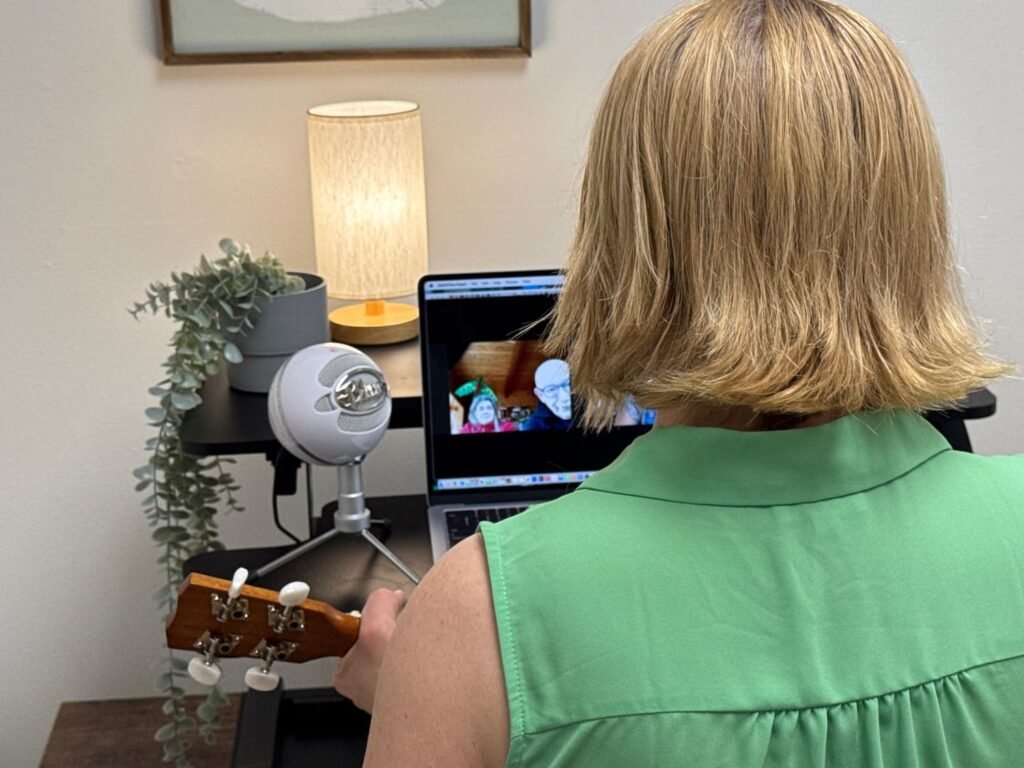
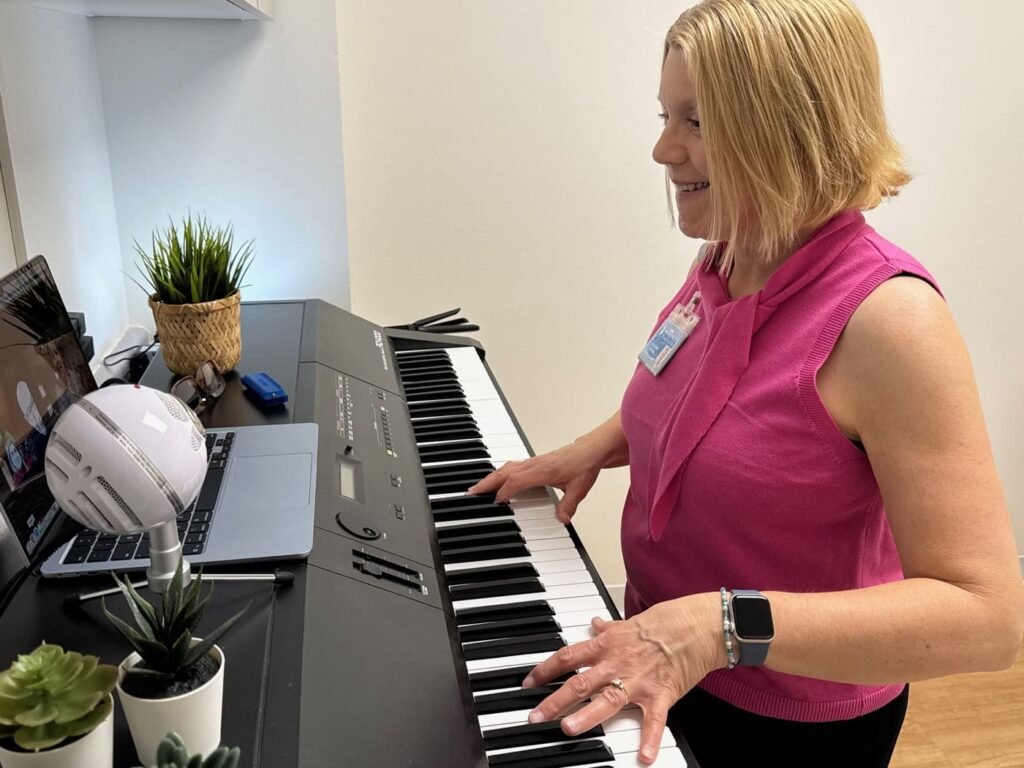
Cognitive Stimulation Therapy and Neurologic Music Therapy can be provided virtually through online music therapy sessions via Zoom. Online music therapy sessions deliver professional, clinical care through secure, HIPAA-compliant video conferencing. This format makes evidence-based therapy accessible in from home, eliminating transportation barriers while maintaining the same standards as in-person care. Virtual music therapy is equally effective for cognitive stimulation and neurological rehabilitation.
Online music therapy is valuable for individuals with limited mobility, those in rural areas, or clients who prefer remote therapy. Online therapy allows adults with mild cognitive impairment (MCI), dementia, Alzheimer’s disease, and Parkinson’s disease, to access specialized care regardless of location – we serve clients across 49 states. Caregivers can easily participate or use sessions as an opportunity for respite care.
In-Person Therapy
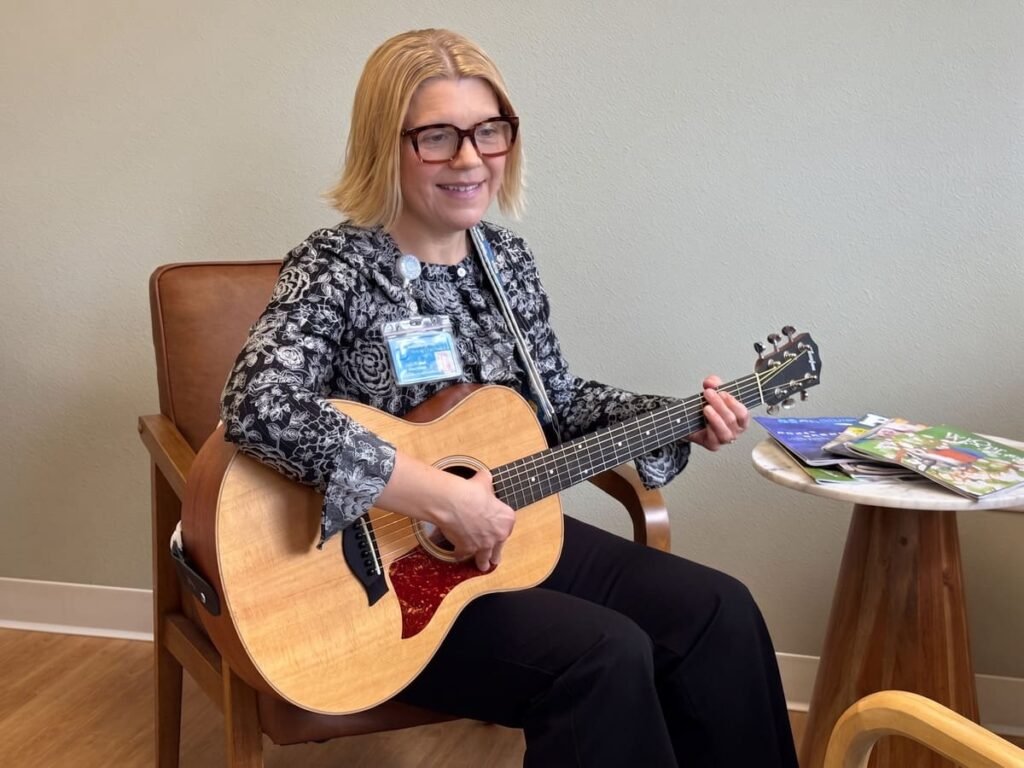
Each session is personalized to address specific needs, goals, and medical history. Through guided music therapy interventions – including Cognitive Stimulation Therapy (CST) and Neurologic Music Therapy interventions such as Melodic Intonation Therapy (MIT) – we support memory and communication skills, movement, coordination, and overall quality of life. In-person music therapy sessions benefit clients who respond best to direct, hands-on therapeutic guidance.
Parkinson's Disease Therapy
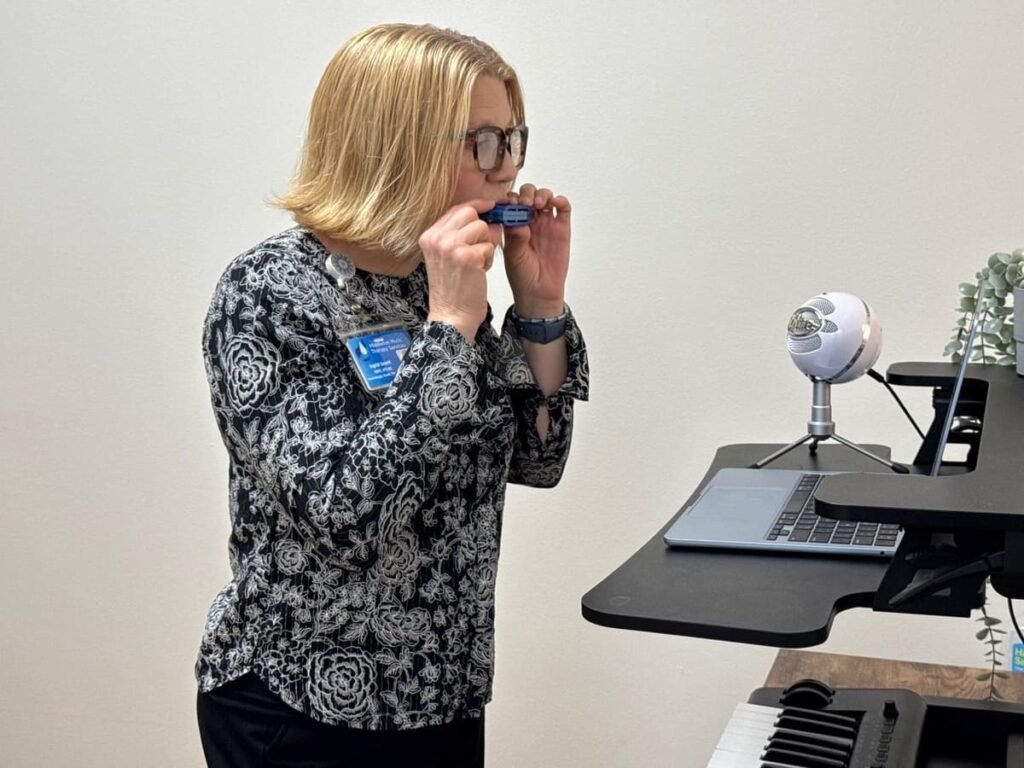
We work with individuals living with Parkinson’s disease 1:1 and in online groups to support movement, speech, and overall neurological function through structured music-based interventions. Rhythm-based techniques can help improve gait, coordination, timing, and motor planning, while vocal exercises including singing support speech clarity and volume using breath control.
Each session is goal-oriented and designed to address specific motor and communication challenges. Music therapy provides a structured yet engaging approach that promotes independence, supports daily functioning, and helps individuals maintain confidence
Cognitive Stimulation Therapy
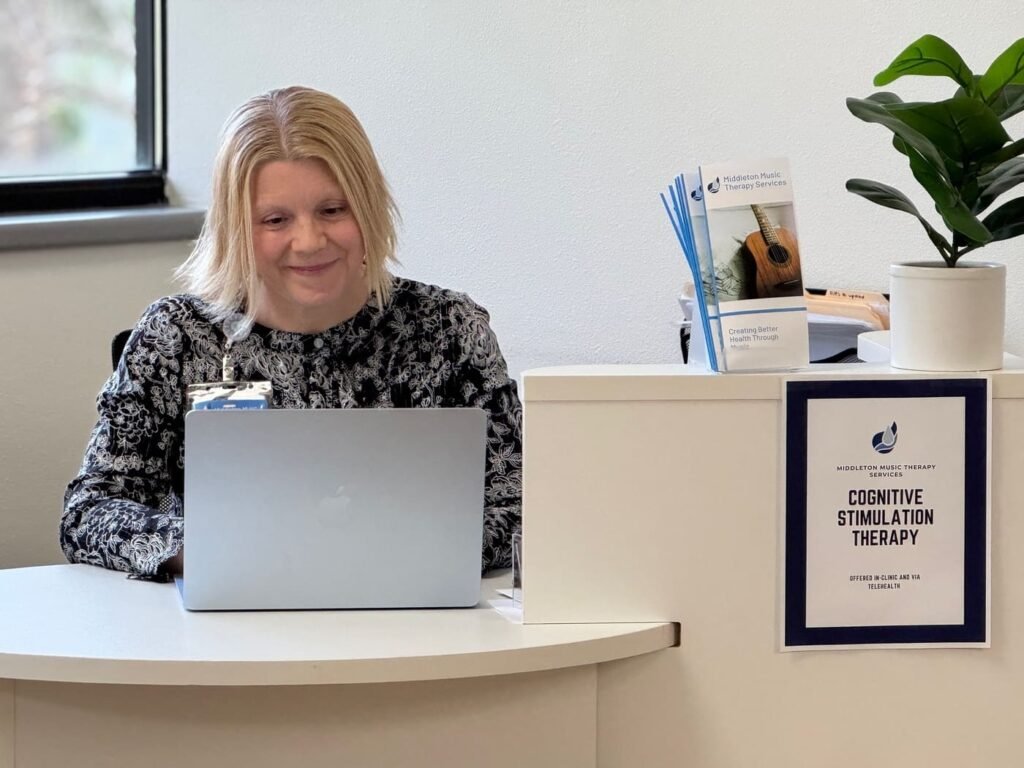
Cognitive Stimulation Therapy (CST) is a structured, evidence-based intervention designed to support memory, attention, language, and executive function skills. Using music as a primary modality, these sessions engage multiple brain areas simultaneously, creating neural pathways that help slow cognitive decline. Activities are therapeutically beneficial and personally meaningful, incorporating familiar music.
These sessions benefit individuals experiencing mild cognitive impairment (MCI), early to mid stages of dementia and Alzheimer’s disease, and Parkinson’s Disease. Cogntive Stimulation Therapy focuses on maintaining cognitive function, encouraging social interaction, reducing isolation, and supporting mental well-being. As a certified Cognitive Stimulation Therapy (CST) provider through St. Louis University School of Medicine, I deliver standardized protocols clinically proven to improve quality of life for older adults facing memory challenges.
Hospice & Palliative Care
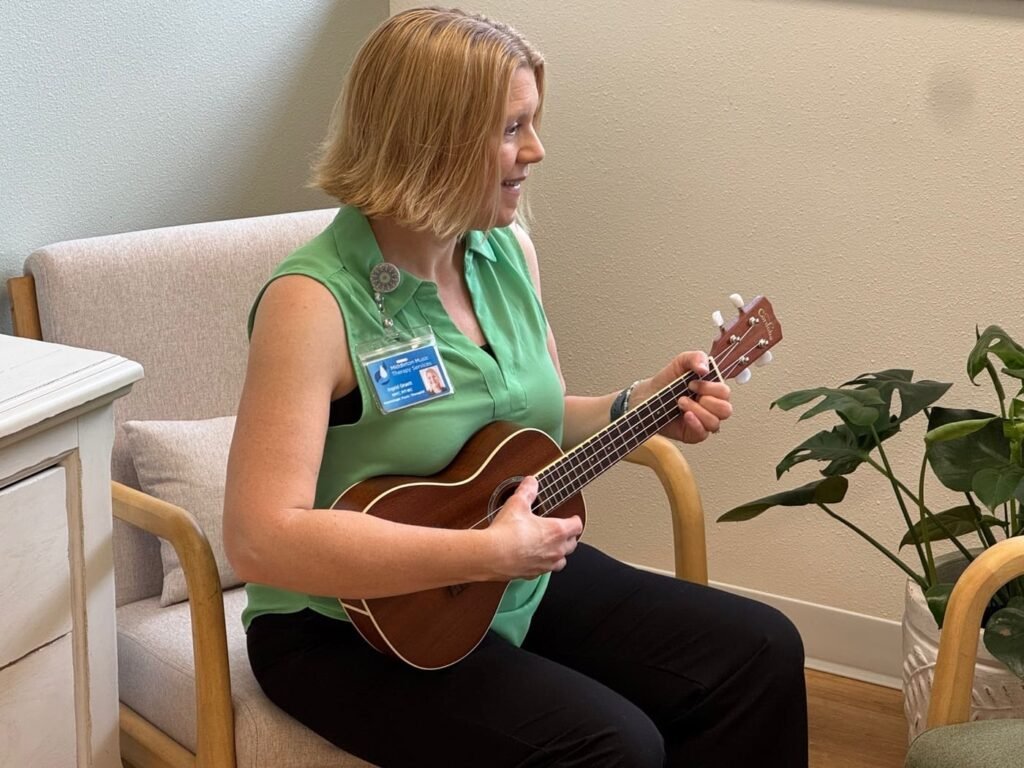
Music therapy in hospice and palliative care focuses on symptom management, emotional support for patients and families, and enhancing quality of life during final illness stages. Gentle, personalized music interventions reduce anxiety, alleviate perception of pain, promote relaxation, and create meaningful moments for patients and families. This specialized approach addresses physical, emotional, and spiritual needs of individuals facing life-limiting conditions.
Sessions are adapted to each person’s unique needs, preferences, and energy levels, and may include receptive music listening, guided relaxation, life review and symptom management. As a certified Hospice Palliative Care Music Therapist (HPMT), I work with all local hospice teams and families to provide compassionate support that honors patient dignity during end-of-life care.
Stroke Recovery
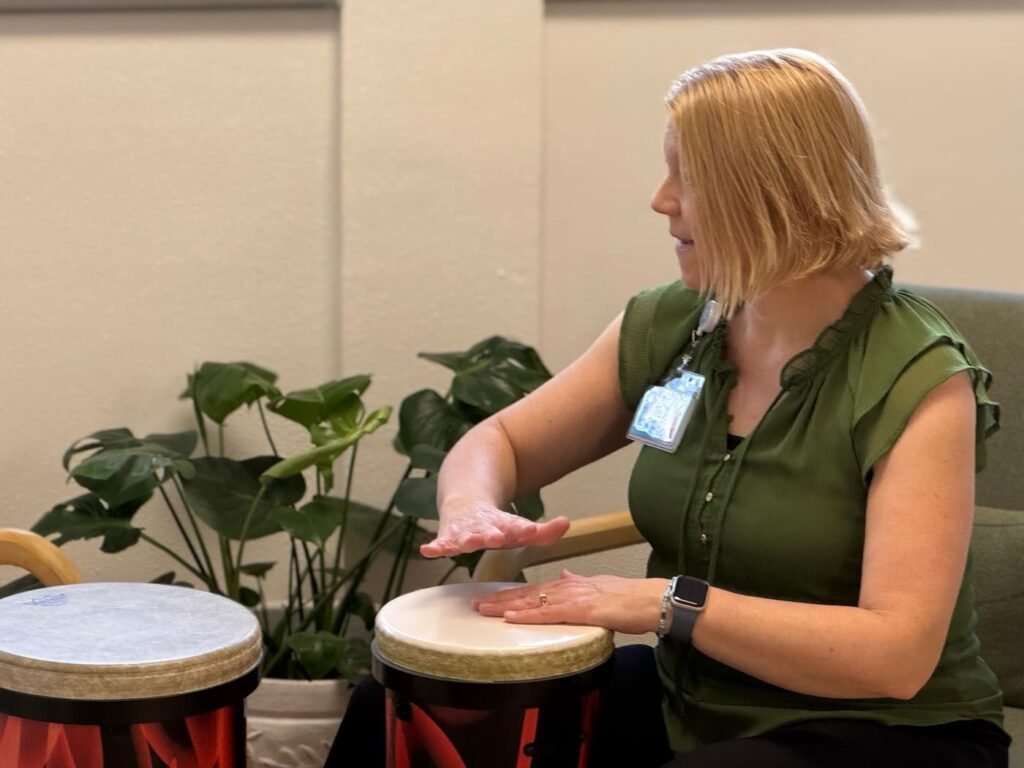
Stroke recovery through music therapy is an evidence-based approach that supports neurological rehabilitation by improving movement, speech, and cognition. By engaging multiple areas of the brain, music helps rebuild connections affected by stroke and promotes functional recovery.
Each session is tailored to individual needs and goals, whether focusing on mobility, communication, or cognitive function. Therapy can be provided in-person or online, offering a flexible and supportive way to regain independence and improve quality of life.
Online Group Music Therapy
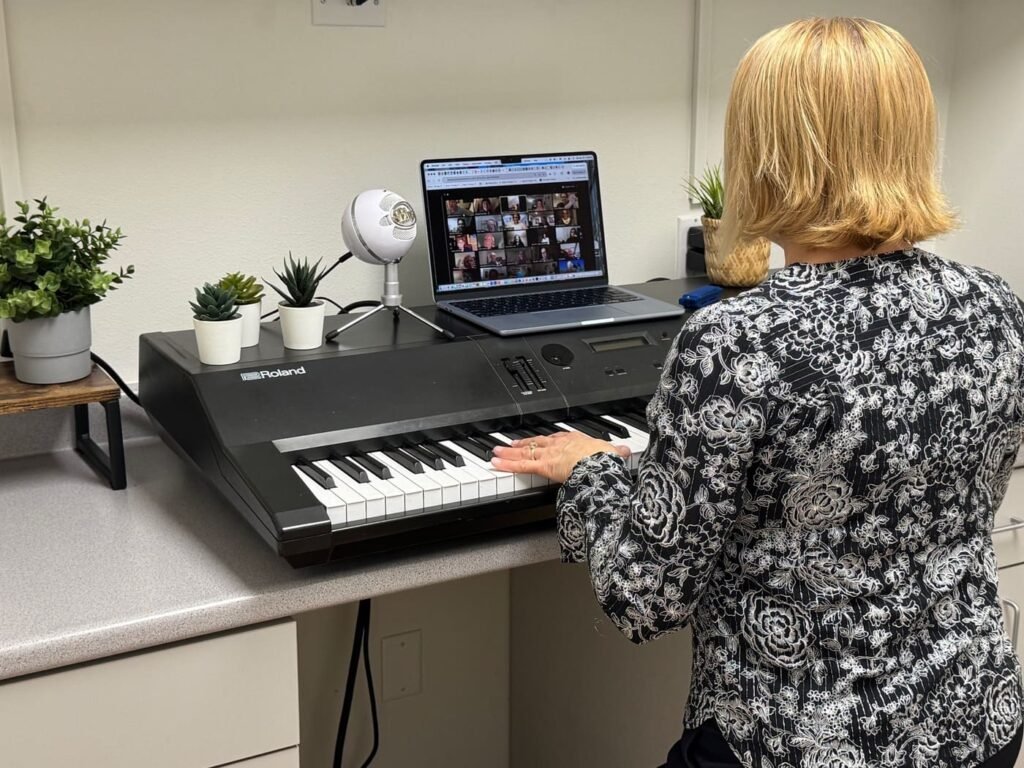
Online group therapy sessions focus on cognitive skills for persons with mild cognitive impairment (MCI), dementia, Alzheimer’s disease, and Parkinson’s disease using music in a supportive and engaging environment where participants can improve in cognitive skills and voice strengthening from the comfort of their own homes via Zoom. Through shared musical experiences, clients benefit from social interaction while working on memory, attention, and self-expression.
Sessions are tailored to the group’s needs and may focus on cognitive stimulation, emotional support, and voice strengthening. Online group therapy also fosters a sense of community, helping participants feel more connected and supporting overall quality of life.