
Research and Evidence
Evidenced-based music therapy offered in 49 states
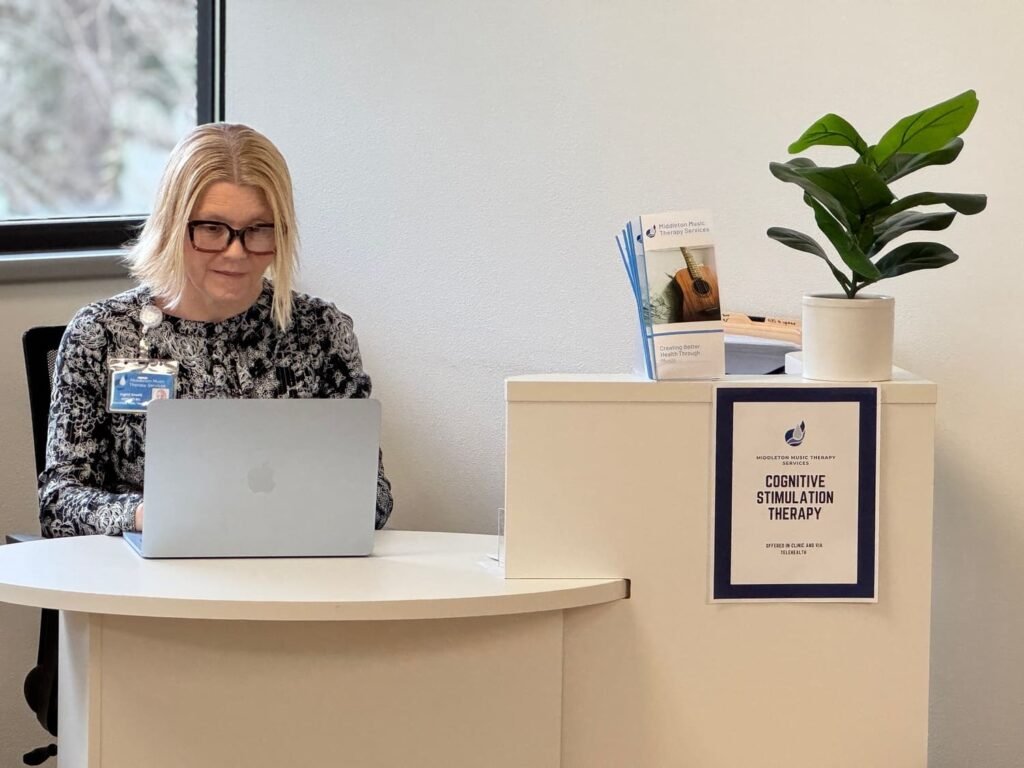
Cognitive Stimulation Therapy
Cognitive Stimulation Therapy (CST) is an evidence-based, non-drug approach designed to support people with dementia by improving cognitive function and overall quality of life. It involves structured sessions with targeted activities that stimulate memory, thinking, and social interaction. Studies show that CST can significantly improve cognition and communication, and improvements in cognition were maintained for around 6 months.
Studies show that CST can significantly improve cognition, communication, and daily functioning, while also enhancing emotional wellbeing. The therapy is cost-effective and can be combined with medical treatment, making it a practical solution for long-term dementia care. Ongoing research continues to refine how CST can be implemented and adapted for different individuals and stages of the condition.
Clinical trials analyzed
0
Participants included in key studies
0
Duration of maintained cognitive improvements
0
Months
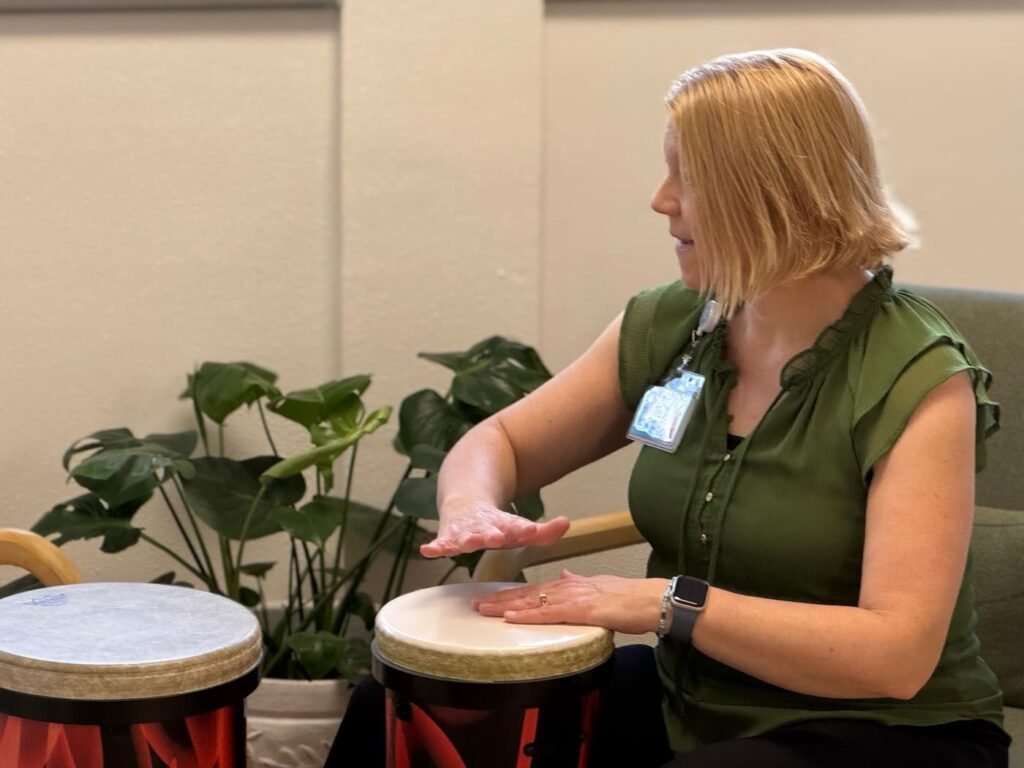
Role for Music in Preventing Dementia
Recent large-scale research highlights the important role of music in supporting cognitive health and reducing the risk of dementia in older adults. A longitudinal study involving nearly 11,000 participants aged 70 and older showed that regular interaction with music is associated with improved memory, cognitive function, and overall brain health.
The study also found that listening to music may have an even stronger impact on cognitive health than playing an instrument. Older adults who frequently engaged with music had noticeably lower risks of dementia and cognitive decline. Although more research is needed to establish direct cause and effect, the results strengthen the case for using music as part of preventive care and therapy programs for aging populations.
Participants in longitudinal study
0
Lower risk among regular listeners
0
%
Lower risk combining listening and playing
0
%
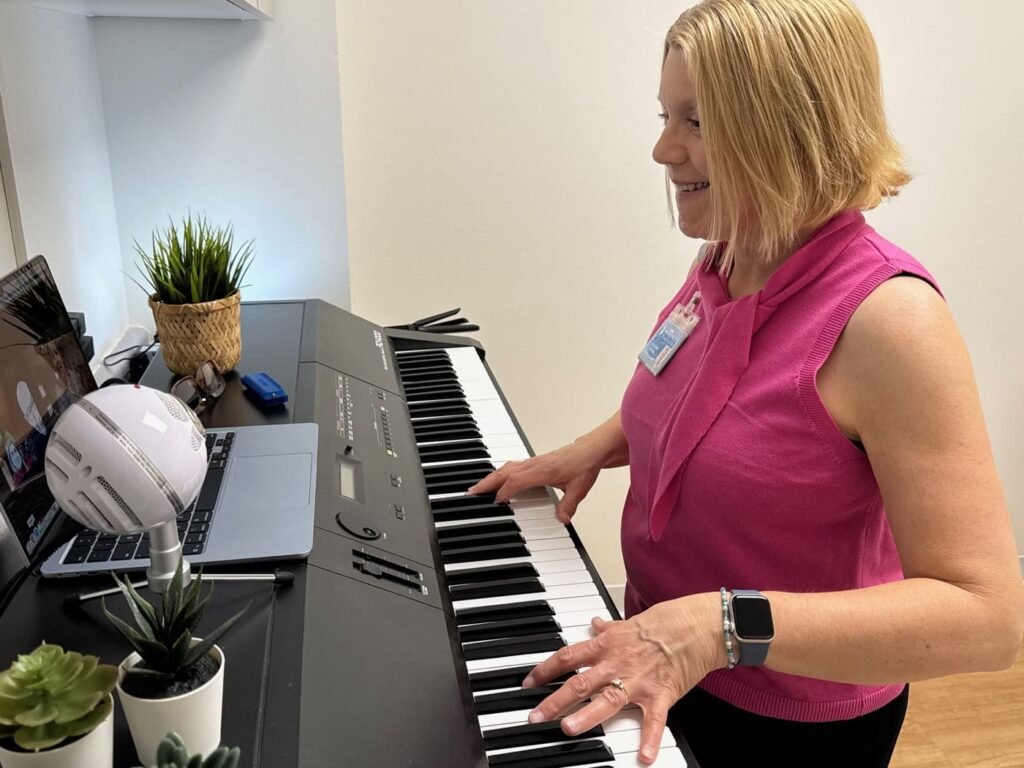
Neurologic Music Therapy (NMT™)
This study examines the effectiveness of Neurologic Music Therapy (NMT™) as a non-pharmacological approach for older adults with moderate to severe dementia. The therapy uses structured music-based techniques to support cognitive function, mood, and behavior, offering an engaging and therapeutic alternative to traditional interventions.
Results show that (NMT™) not only improves cognitive performance but also has the highest level of patient engagement and acceptance compared to other activities. The findings suggest that music-based therapy can play a valuable role in dementia care by enhancing participation, emotional wellbeing, and overall quality of life.
Evidence-Based
Clinical approach
Ranked #1
In patient engagement
Cognition & Mood
Key outcomes improved
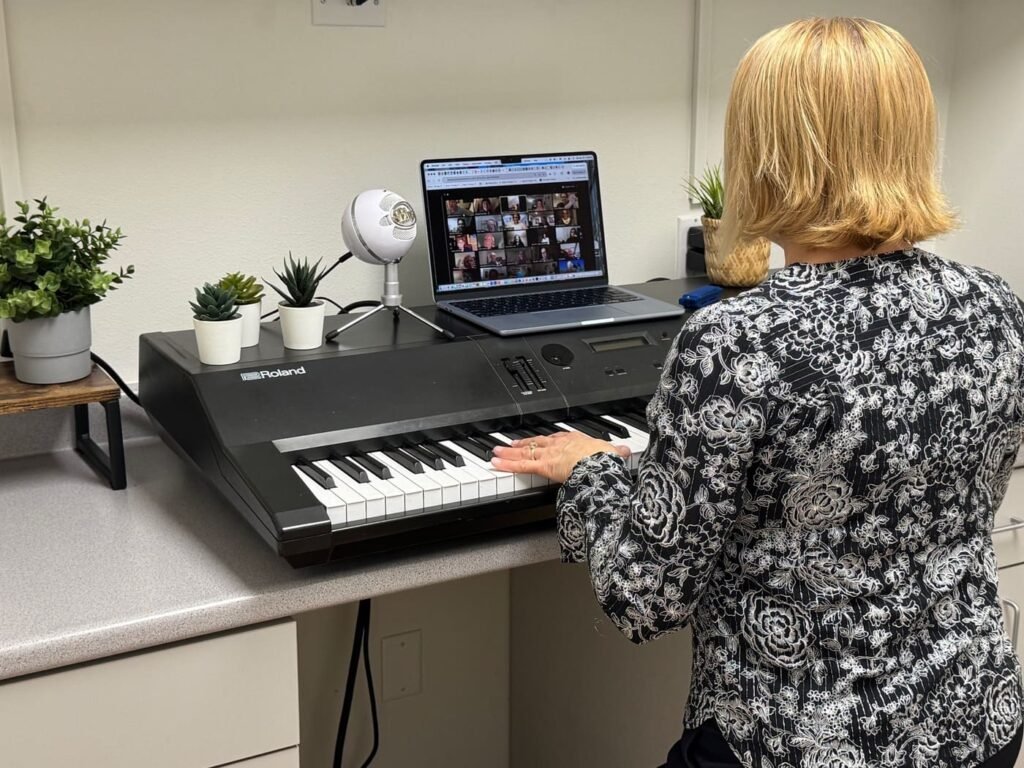
Group Therapeutic Singing
Group Therapeutic Singing (GTS) involves participants singing together, guided by a music therapist. Even a single session has been shown to improve gait, posture, and tremor. This evidence-based therapy shows that singing alone can positively affect motor function and complement standard Parkinson’s treatment.
Long-term participation in GTS can enhance benefits for bradykinesia and other motor symptoms. Research also shows that the amount of prior singing experience influences outcomes: those with less experience improve gait and posture the most, while long-term participants see greater improvements in bradykinesia. Overall, GTS shows promise as an enjoyable, non-invasive therapy that complements standard Parkinson’s treatment.
Improvement in total motor score
0
%
Improvement in gait and posture
0
%
Improvement in tremors
0
%
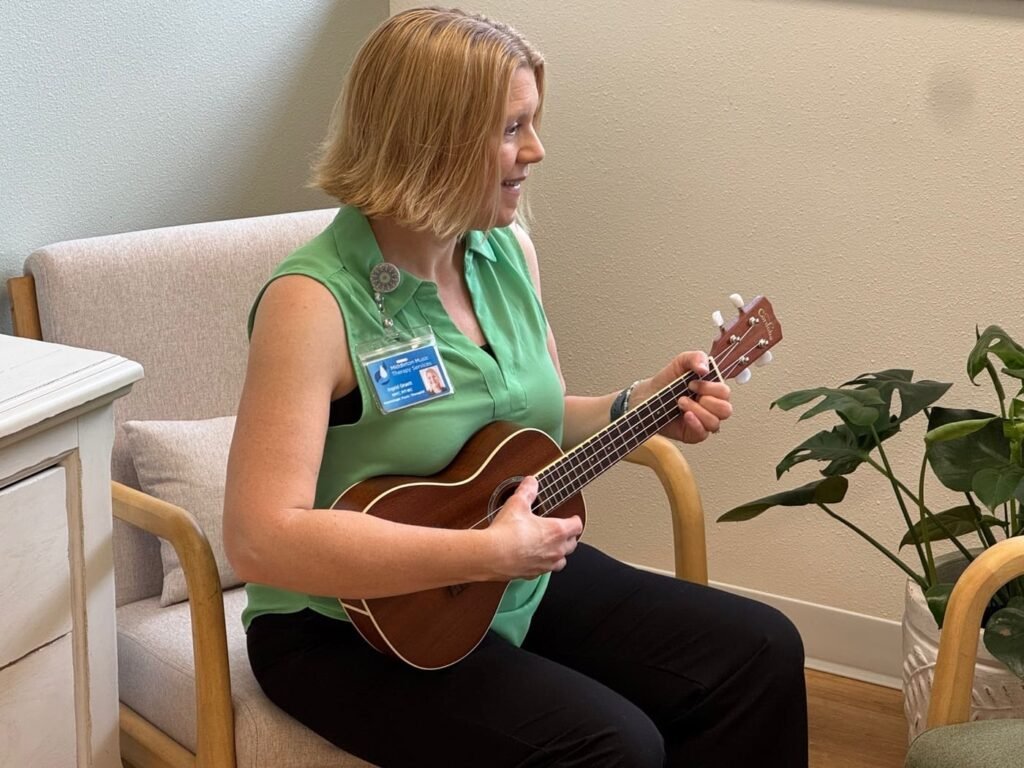
Singing and Brain Health
This study explores how singing can support people with Parkinson’s disease by improving breathing, swallowing, and overall wellbeing. Music-based interventions are being studied as a holistic, non-drug approach that can address both physical symptoms and emotional health, including stress and social connection.
Findings suggest that regular singing may strengthen key muscle functions and reduce stress, while also promoting social engagement. Researchers are continuing to study how singing affects brain activity and disease progression, highlighting its potential as an effective therapeutic tool.